
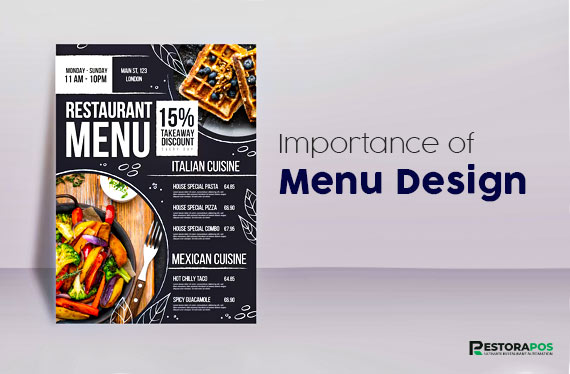
The Importance of a Well-Planned Menu in Modern Restaurants
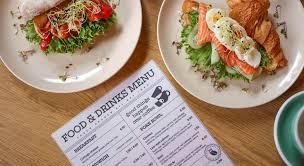
In today’s competitive food industry, restaurants are no longer judged solely by taste. Presentation, variety, pricing, and the overall dining experience now play an equally important role. Even before visiting a restaurant, many diners prefer to explore its offerings online, which is why reviewing a detailed menu like the PF Chang’s Menu helps customers understand dish variety, pricing structure, and flavor profiles in advance. This early exposure builds trust and sets clear expectations.
A thoughtfully planned menu also reflects how well a restaurant understands customer needs. From portion clarity to item categorization, menus guide decision-making and influence how diners perceive value. When designed correctly, a menu becomes more than a list—it becomes a powerful communication tool between the restaurant and its customers.
First Impressions Begin with the Menu
For many customers, the menu is the first meaningful interaction they have with a restaurant. Whether accessed digitally or presented at the table, it creates an immediate impression. A cluttered or confusing menu can overwhelm diners, while a clean and well-structured menu builds confidence and excitement.
Modern restaurants focus on balance and readability. Menus that flow logically—from appetizers to main courses and desserts—allow customers to navigate choices effortlessly. Highlighting signature dishes and popular selections further simplifies the ordering process.
Menu Planning Shapes Customer Experience
A well-planned menu enhances the overall dining experience by making choices clear and enjoyable. Simple dish descriptions, brief ingredient details, and proper categorization help diners order with confidence. This reduces confusion, improves service efficiency, and increases customer satisfaction.
Restaurants that include options for different dietary preferences—such as vegetarian or lighter meals—tend to attract a broader audience and encourage repeat visits.
Value Perception and Special Offers
Beyond regular menu items, customers often look for added value when choosing where to dine. Special time-based deals and promotions can strongly influence dining decisions. Options like PF Chang’s Happy Hours appeal to budget-conscious diners by offering selected items at attractive prices, enhancing the overall perception of value without compromising quality.
When such offers are clearly communicated within a restaurant’s menu strategy, they encourage higher foot traffic during off-peak hours and improve customer engagement.
Pricing Strategy Starts with the Menu
Menu planning plays a key role in pricing strategy. Strategic placement of high-margin dishes, combo meals, and featured items subtly influences customer behavior. Restaurants often draw attention to bestsellers or chef-recommended options to guide purchasing decisions.
A balanced pricing structure ensures that customers feel they are receiving fair value, making them more comfortable exploring premium dishes.
Consistency and Brand Identity
A menu is a direct reflection of a restaurant’s brand identity. Fonts, colors, tone of language, and dish naming conventions all communicate a specific personality. Consistency across menus—both online and offline—helps build trust and brand recognition.
Successful restaurants maintain this consistency while still allowing flexibility for regional preferences, ensuring relevance without losing their core identity.
Operational Efficiency Behind the Scenes
Menu planning doesn’t only affect customers—it also impacts kitchen operations. A focused menu simplifies inventory management, reduces food waste, and improves preparation efficiency. Staff can maintain consistency more easily when working with a clear and structured menu.
Many restaurants use sales data to refine their menus, removing underperforming items and enhancing popular ones to maintain profitability and quality.
Conclusion
A well-planned menu is far more than a list of dishes; it is a strategic foundation for modern restaurants. From shaping first impressions and guiding customer choices to supporting pricing strategies and operational efficiency, menu planning influences every stage of the dining experience.
Restaurants that invest time and thought into menu design position themselves for long-term growth, stronger customer loyalty, and sustained success in an increasingly competitive market.