
How the NBI Appointment System Changed the Way Clearances Are Issued in the Philippines
Not too long ago, getting an NBI clearance in the Philippines felt like a test of patience. You’d wake up before sunrise, line up outside an office that might already be full, and hope—really hope—that your name wouldn’t trigger a problem later in the day. Many people accepted this as “normal.” But normal doesn’t always mean right.
The introduction of the NBI appointment system quietly changed that reality. It didn’t just move the process online—it reshaped how Filipinos interact with a critical government service. From chaotic queues to scheduled slots, from handwritten forms to digital records, the way clearances are issued today looks very different from what it used to be.
This article takes a deep, honest look at how the NBI appointment system changed the way clearances are issued in the Philippines, what it fixed, what it didn’t, and why it still matters.
What Is the NBI Appointment System?
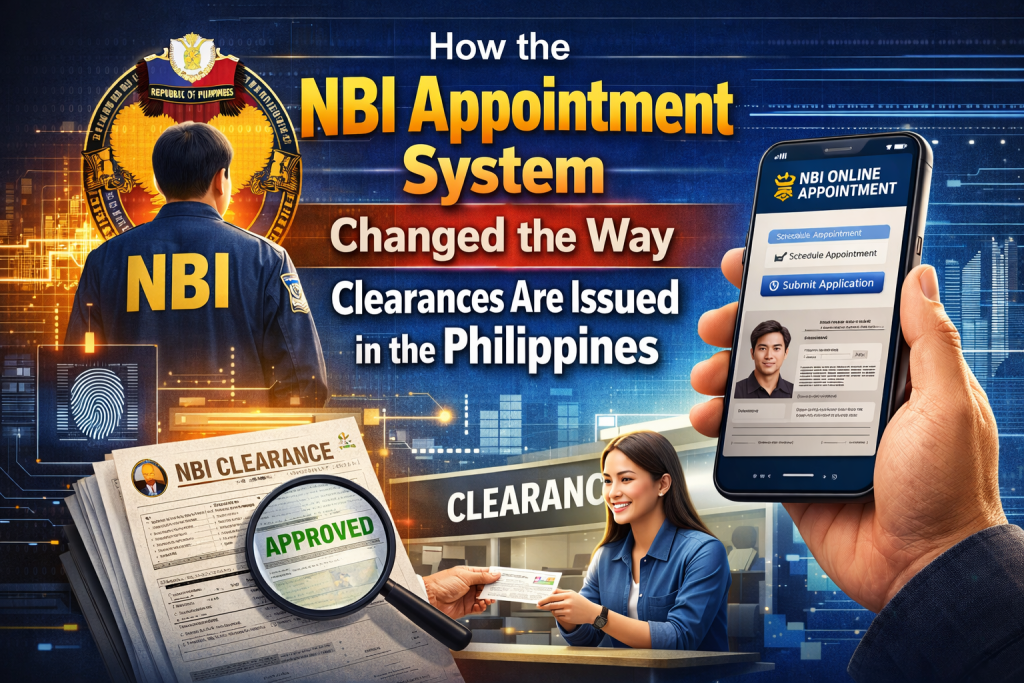
NBI Appointment is an online platform that allows applicants to schedule their NBI clearance processing in advance. Instead of walking in and waiting indefinitely, users now choose a date, time, and branch before showing up.
At its core, the system was designed to:
- Control daily applicant volume
- Reduce physical congestion
- Improve accuracy in identity verification
- Speed up clearance issuance
It sounds simple, but its impact runs deeper than scheduling. The appointment system became the backbone of the NBI clearance online system, influencing payments, biometrics, and even background checks.
Understanding the Role of the National Bureau of Investigation
The NBI plays a crucial role in Philippine society. Its clearance is required for:
- Employment (local and overseas)
- Professional licenses
- Business permits
- Travel and immigration
- Government transactions
Because the NBI clearance Philippines is so widely required, even small inefficiencies affect millions of people. That’s why modernizing its issuance process wasn’t optional—it was necessary.
How NBI Clearance Processing Worked Before the Online System
Before the online system, the process was mostly manual:
- Walk-in applications only
- Long queues forming before offices opened
- Paper forms filled out on-site
- Payments handled in-person
- Limited daily capacity
If you made a mistake—wrong spelling, missing ID, wrong queue—you often had to start over. Many applicants remember wasting an entire day just to be told to “come back tomorrow.”
In hindsight, it wasn’t just inefficient. It was exhausting.
How To Reschedule NBI Appointment?
Life happens. Sometimes you miss your appointment, or something urgent comes up. The good news is that the NBI appointment booking system allows rescheduling.
Here’s how it usually works:
- Log in to your NBI online account
- Go to your appointment details
- Select the reschedule option
- Choose a new date and time
- Save and confirm
Rescheduling doesn’t require starting from scratch, which is a huge improvement over the old system. Still, limited slots mean it’s best to reschedule as early as possible.
Step-by-Step: How the NBI Appointment System Works Today
Today’s NBI clearance application online process follows a structured flow:
- Online Registration – Create an account and enter personal details
- Appointment Booking – Choose branch, date, and time
- Online Payment – Pay via supported channels
- Biometrics Capture – Photo, fingerprints, and signature at the branch
- Verification & Processing – Records are checked digitally
- Release or Follow-Up – Clearance issued or marked for further review
It’s not perfect, but compared to the past, it’s a massive leap forward.
How the Appointment System Reduced Queues and Delays
One of the most visible changes is the disappearance of endless lines. By limiting the number of daily appointments:
- Offices handle manageable volumes
- Staff work more efficiently
- Applicants spend less time waiting
Queues still exist—but they move. And that alone changed how people feel about the process. Less stress, fewer arguments, and more predictability.
The Impact on First-Time Applicants
For first-time applicants, the system removed much of the guesswork. Clear instructions, defined steps, and appointment confirmations helped people feel more confident.
Of course, mistakes still happen—wrong data entry, forgotten IDs—but now those mistakes are easier to fix. First-timers no longer feel completely lost, and that’s a quiet but important win.
How Renewals Became Faster and More Accessible
Renewals benefited the most from digitization. In many cases:
- Personal data is pre-filled
- Past records are already in the system
- Processing time is shorter
Some applicants even receive clearances faster than first-timers. This shift alone changed public perception of the NBI clearance process—from slow to surprisingly efficient.
Understanding “HIT” Status in the Modern System
The dreaded “HIT” status didn’t disappear—but how it’s handled improved.
A HIT means your name matches or resembles someone with a criminal record. In the past, this caused confusion and delays. Today:
- Records are cross-checked digitally
- Follow-up schedules are clearer
- Communication is more structured
It’s still frustrating, but at least applicants understand what’s happening.
Security and Accuracy Improvements Brought by Digitization
Digitization strengthened security in several ways:
- Biometric verification reduces identity fraud
- Digital records minimize clerical errors
- Centralized databases improve consistency
The NBI clearance digital process isn’t just faster—it’s safer. That matters when clearances are used for sensitive decisions like employment and travel.
Challenges and Limitations of the NBI Appointment System
Let’s be honest—no system is flawless.
Common issues include:
- Fully booked slots in high-demand areas
- Website slowdowns during peak hours
- Confusion among less tech-savvy users
These challenges remind us that modernization is a process, not a switch.
NBI First Time Jobseeker Application Process
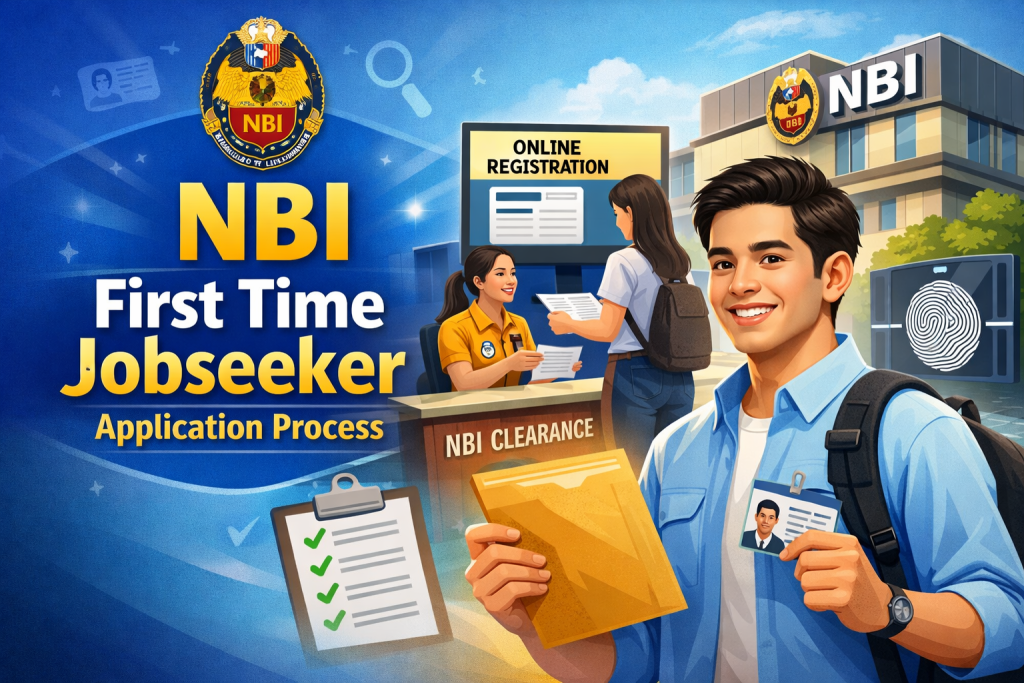
The system also supports first-time jobseekers who qualify for fee exemptions under Philippine law.
Eligible applicants:
- Register online
- Select the first-time jobseeker option
- Present required certification at the branch
This integration shows how the appointment system supports social policies, not just convenience.
NBI Appointment System vs. Walk-In Applications
Walk-ins still exist—but they’re limited and often discouraged.
Appointment-based processing offers:
- Predictable schedules
- Faster transactions
- Better crowd control
Walk-ins, while helpful for emergencies, bring back many old problems. The contrast highlights why the appointment system became the preferred method.
How the System Supports Government Digital Transformation
The NBI appointment system is part of a larger push toward government clearance online systems in the Philippines.
It aligns with goals like:
- Reduced red tape
- Improved public trust
- Better service delivery
In many ways, it became a model for other agencies.
Tips to Make the Most of the NBI Appointment System
A few practical tips:
- Book early, especially in major cities
- Double-check personal details before submitting
- Arrive at least 15 minutes early
- Bring original IDs
- Monitor appointment updates
Small habits can make the experience smoother.
Future Improvements Expected in the NBI Appointment System
Looking ahead, possible improvements include:
- More appointment slots
- Mobile app support
- Faster HIT resolution
- Better accessibility features
Progress hasn’t stopped—and that’s encouraging.
Frequently Asked Questions (FAQs)
Is the NBI appointment system mandatory?
For most applicants, yes. It’s the preferred method.
Can I change my appointment date?
Yes, rescheduling is available online.
Does online payment guarantee faster release?
Not always, but it streamlines processing.
What if I miss my appointment?
You’ll usually need to reschedule.
Is the system secure?
Yes, biometric and digital checks improve security.
Conclusion
The NBI appointment system didn’t just modernize clearance issuance—it changed how people experience government service. It replaced uncertainty with structure, chaos with order, and frustration with something closer to trust.
It’s not perfect. There are glitches, limitations, and growing pains. But compared to the past, the difference is undeniable. The system proved that when technology is applied thoughtfully, even long-standing problems can finally move forward.
And maybe that’s the real takeaway: progress doesn’t need to be dramatic—it just needs to work.