
What Is a Recce in Media and Why It Matters for Shoots
Recce is a pre-filming visit where you check out the location before your crew shows up with all the gear.
During a location recce, you assess things like lighting, sound, power access, and how much space you will have to work with. When you skip this step, small problems can turn into expensive ones. Think last-minute scrambles for extension leads, talent squinting into the sun, or traffic noise ruining your audio.
Our team at Grizzly Bear Media has run recces on shoots of all sizes across Brisbane. And in this guide, we will walk you through what happens during a recce, who should attend, how to handle risk assessments, and what to bring along so nothing gets missed.
Let’s start with the basics.
What Is a Recce in Film Production?
A recce is a pre-filming visit where your production team inspects a location before the shoot. Film Locations UK describes it as a chance to evaluate a site’s suitability before committing to it. The word itself comes from “reconnaissance,” a military term that film crews adopted decades ago.
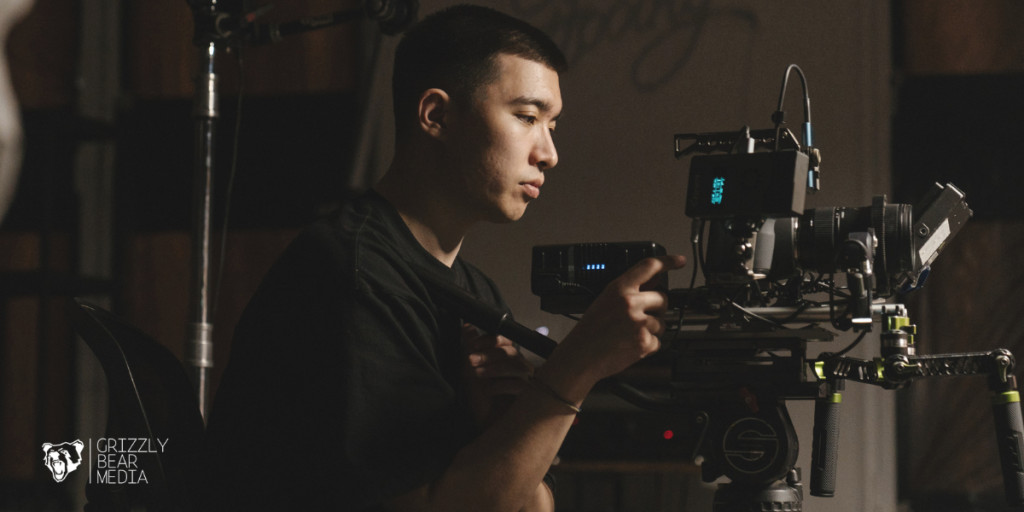
You might be wondering what exactly gets checked during a recce. The crew will assess the site for natural light, sound issues, power sources, access points, and whether there’s enough room for equipment. Each of these factors affects how smoothly your filming day runs.
After you understand what a recce covers, the next question is who actually needs to be there.
Who Goes on a Location Recce?
The location manager typically leads a recce, along with the director of photography and other key crew members. The exact team size depends on the production. The team size depends on the production.
Smaller shoots might only need one or two people, while larger productions bring various crew members to assess different aspects of the location.
Here are the key people you’ll commonly find on a recce:
Location Manager
The location manager leads the recce and coordinates access, permits, and logistics (yes, they’re the ones juggling ten phone calls at once). They determine whether the site is suitable and handle the necessary permits.
Director of Photography
The director of photography focuses on lighting conditions and camera angles. For example, they’ll check where the natural light falls throughout the day and identify spots for camera movements.
Other Key Crew
Depending on the project, you might also have the production designer, script supervisor, and location scout on site. Each person evaluates the space through the lens of their role.
What Happens During a Successful Recce?
With the right people on site, here is what the team actually does during the visit.
The crew walks through the location, taking photos, videos, and notes on everything from acoustics to traffic patterns. They are essentially building a complete picture of what the shoot day will look like.
From our experience, testing these things firsthand saves a lot of headaches later. That means checking power sockets, measuring the space for equipment, and marking where talent will stand. You’ll also want to listen for background noise and observe how the light changes throughout the day.
Bottom line: the team documents any concerns so the production crew can address them before the actual shoot.
Why Risk Assessment Is Part of Every Site Recce
One overlooked hazard can shut down a shoot, so risk assessments are never optional. We’ve seen crews show up to sites with uneven flooring, no emergency access, or heavy traffic just metres from the filming area.
During a site recce, you’ll want to assess for:
- Uneven ground or tripping hazards
- Traffic flow and pedestrian access
- Weather exposure for outdoor shoots
- Emergency access for crew and equipment
- Noise levels from nearby roads
Most insurance providers and councils require documented risk assessments before approving permits (no documentation, no permit). And sorting this out early protects your crew, your gear, and your timeline.
Location Recce vs Location Scout: What’s the Difference?
These two terms get mixed up all the time, but they refer to different stages of the filmmaking process.
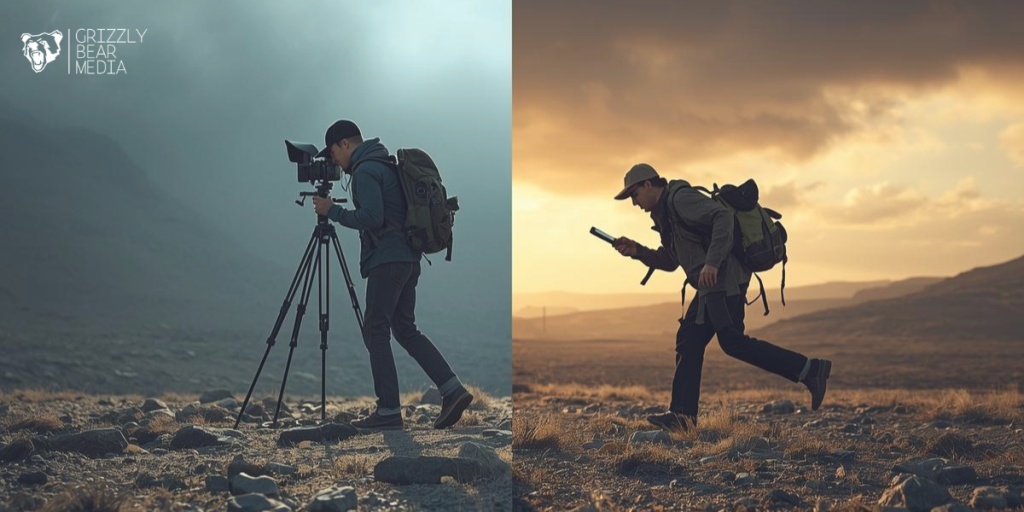
Location scouting comes first. This is the search phase, where a location scout visits multiple sites to find options that match the script and the creative vision. They are looking for places that make sense visually and are practical from a production standpoint.
A location recce happens after the team chooses a site. It involves confirming logistics, checking technical requirements, and identifying potential issues (roughly 60% of production delays trace back to location issues).
While the two terms are closely related, they serve different purposes and should not be used interchangeably.
Skip the Recce, Risk the Reshoot
What does skipping a recce actually cost you? Well, more than you’d think.
Arriving unprepared wastes time, burns budget, and leaves your crew scrambling while the client watches. We’ve seen shoots run hours over schedule because nobody checked the power situation or realised the space couldn’t fit all the equipment.
After years of production work, our team at Grizzly Bear Media always runs through a checklist before every shoot. That includes power sources, natural light at different times, sound issues, access points, parking, and permits.
Remember, even a quick 30-minute site visit can save hours of problem-solving on the day.